Tilting at Windmills
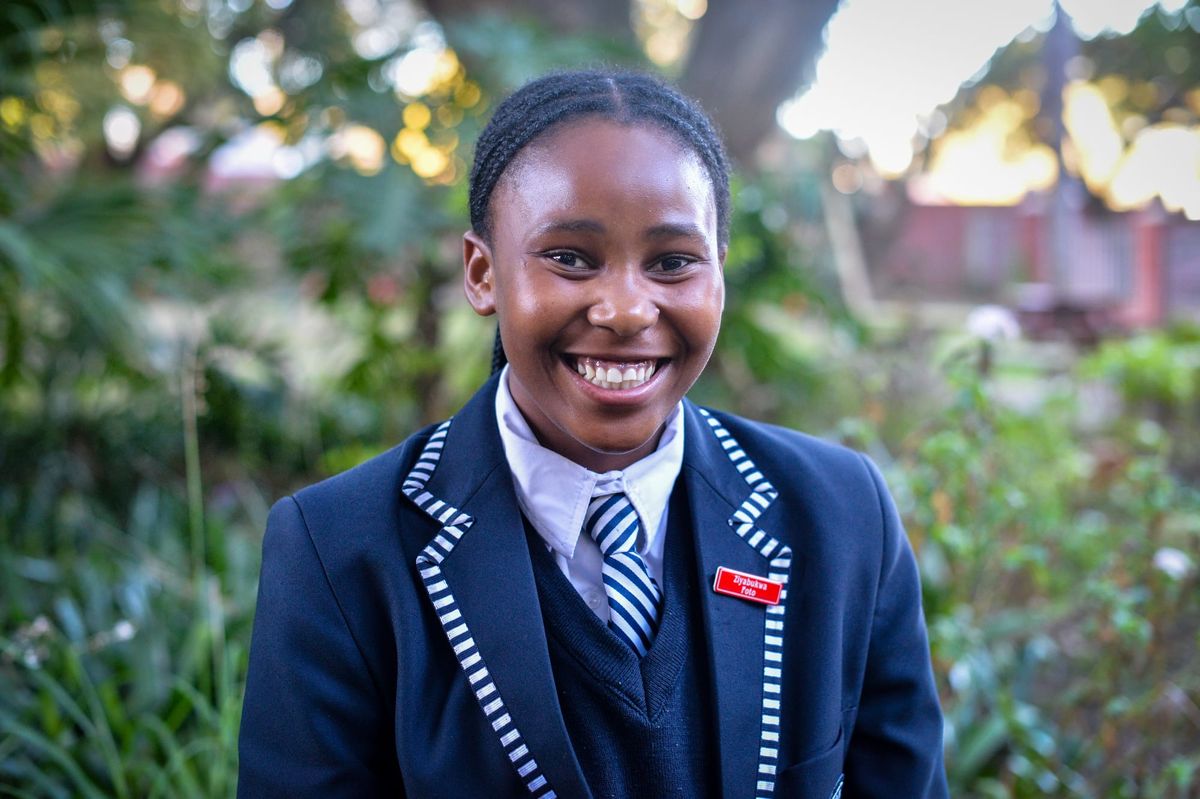
Sometimes on our selection trips it feels like we are tilting at windmills.
In a dusty, windblown stretch of the Eastern Cape a giant wind farm rises from the scrubland as you round the corner of a mountain pass. Five of our 114 Scholars will come from this region of South Africa in 2026.
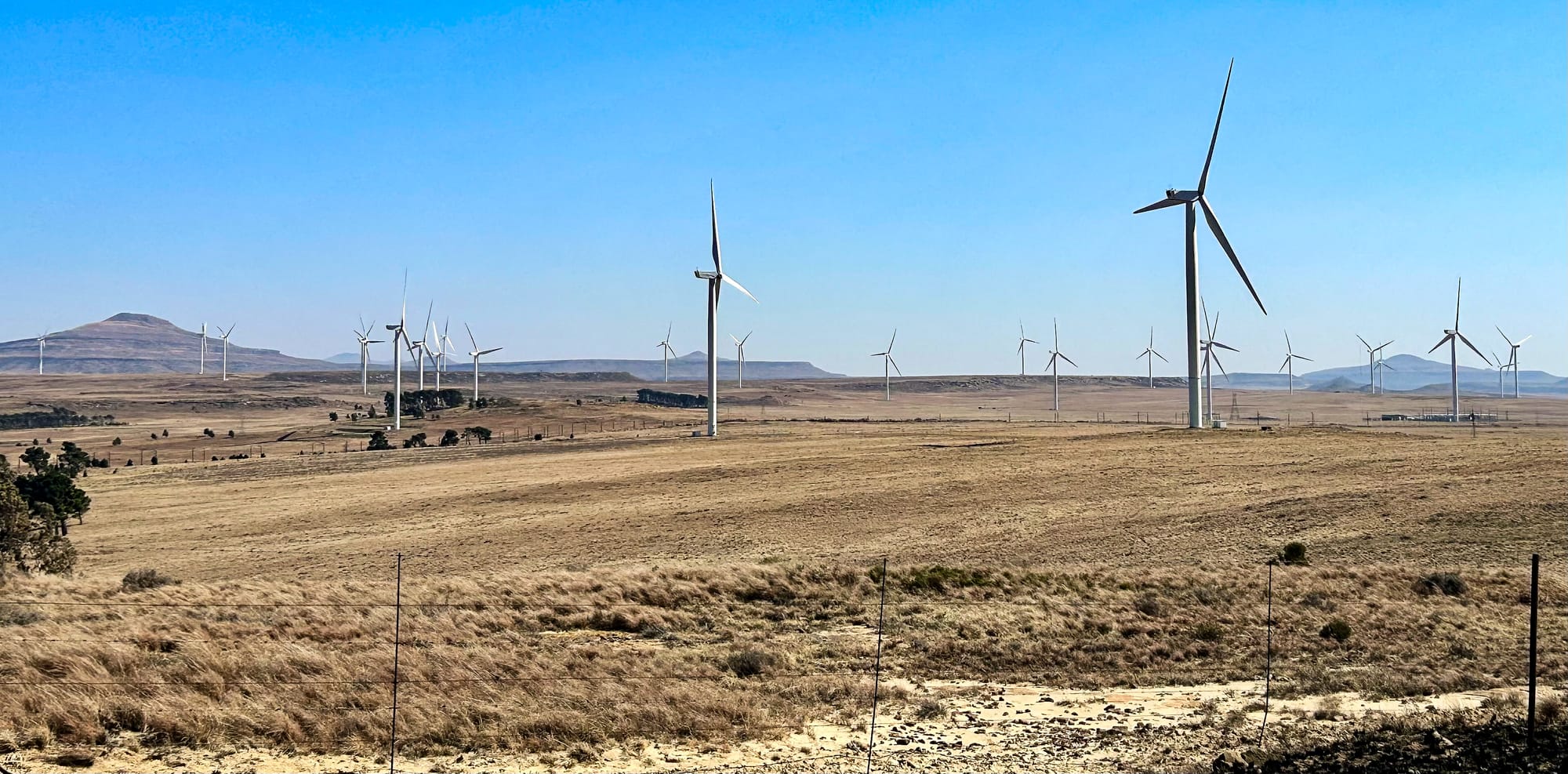
It is a land of windmills, but the prosperity that brought a wind farm to such a desolate place has not meaningfully changed the lives of people in the surrounding communities. It is a place where the poverty of education that pervades South Africa is most apparent.
To be chosen as a Raise the Children Scholar, candidates go through EQ, IQ and cognitive testing (measures neurological functioning because of the potential effects of stunting due to low nutrition), as well as drawing-based psychological assessments. This year we added a Scholastic maths test.
Of the 25 finalists we have selected to become RTC Scholars in 2026 only two could complete the following question (shown below)
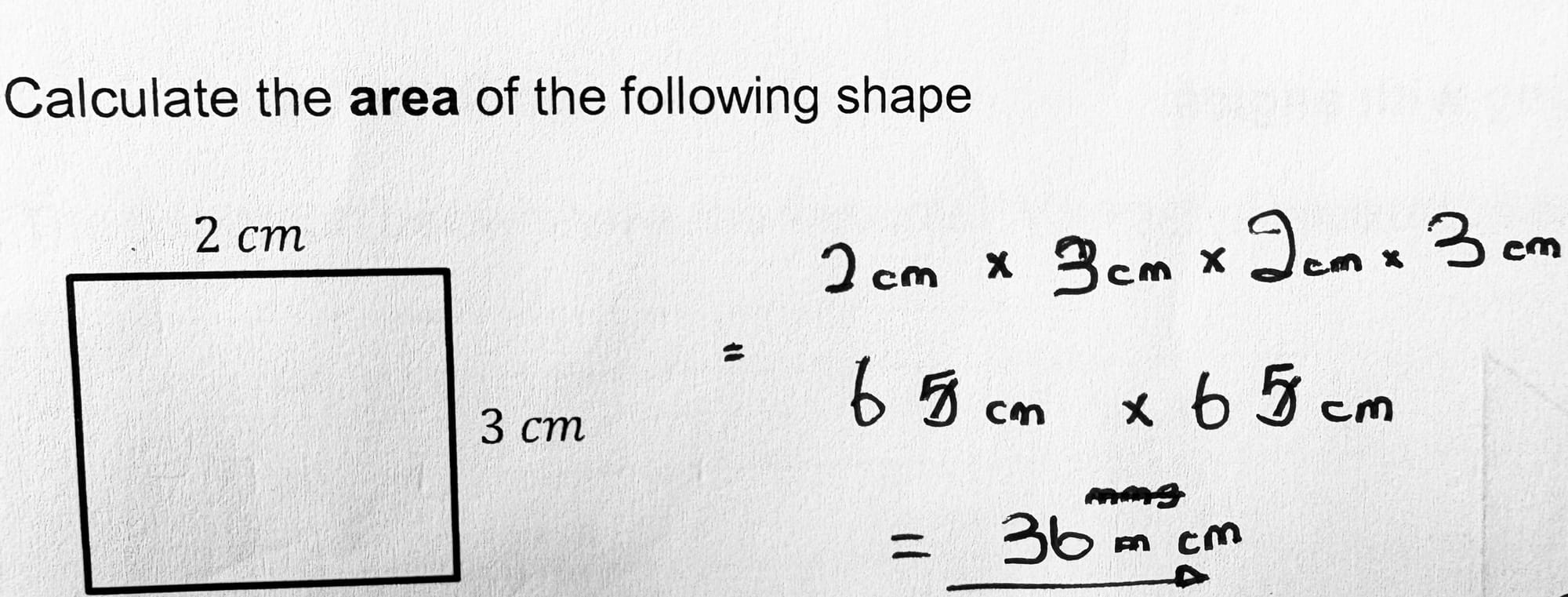
I think this simple example illustrates the depth of the poverty of education in South Africa.
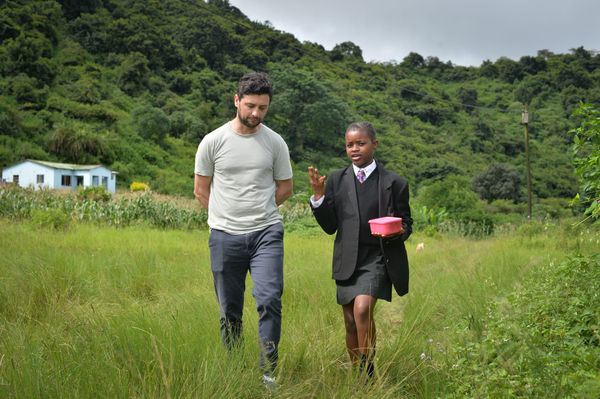
In the land of windmills, I asked a current Scholar why she did not know how to calculate the area. There was a long silence. Tears started to leak out, and I told her not to worry about her answer, her Scholarship was not on the line. The Scholar said they only ever get through half of the textbook. Then she said that they have had no Maths teacher since April. The principal took the class for a while but she was often absent. Then the intern took over and wrote all of the answers on the board during the test. Stories similar to these have been repeated by other Scholar candidates across the country this year.
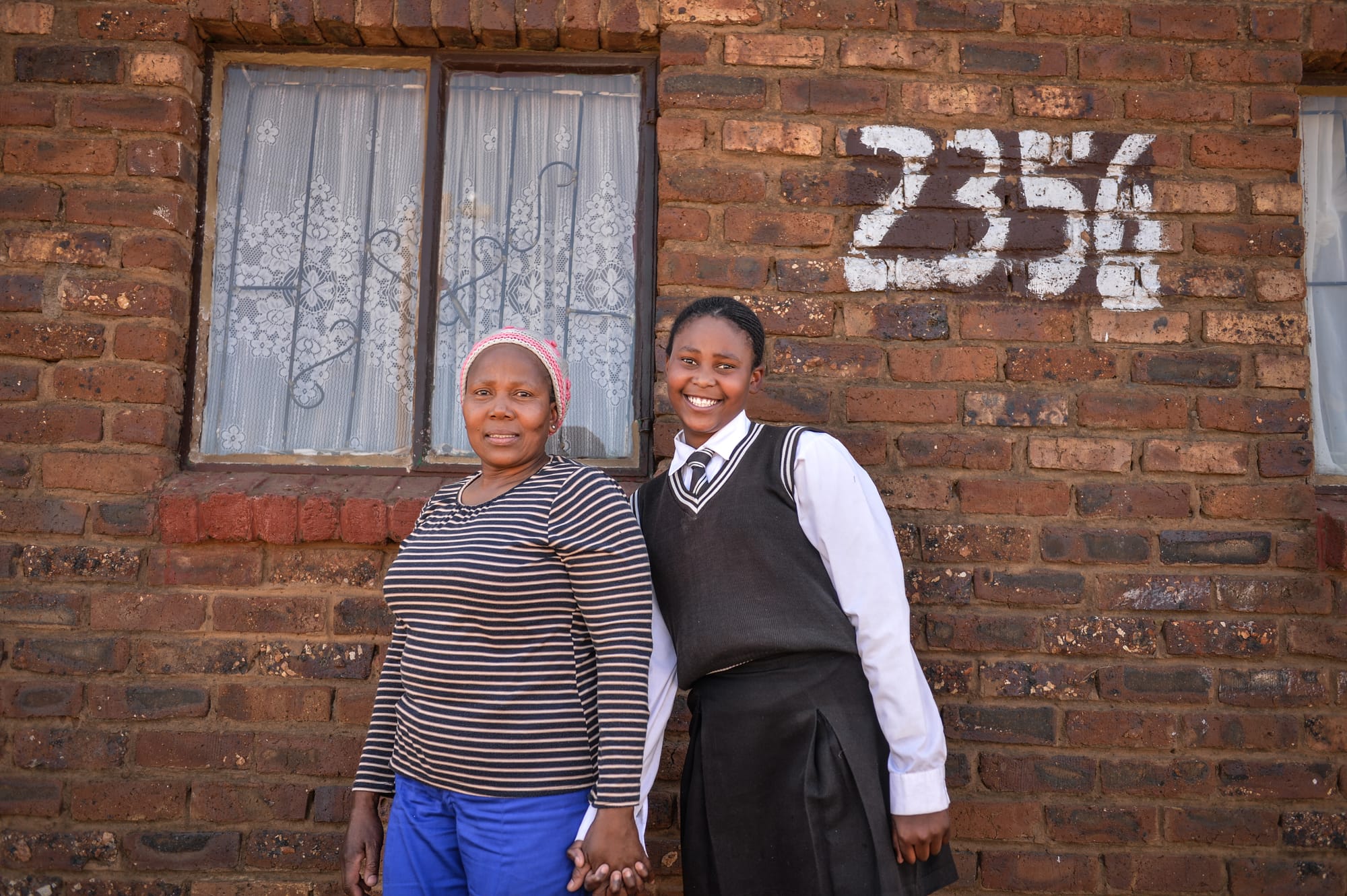
We are faced with a choice. Do we take this girl (and the other 20 like her) or should she be condemned for the poverty of her education? Do we tilt at windmills?
If you look at the World bank Human Capital Index (HCI) you’ll see that the average South African child will only be in school for 10,2 years and that time will only equate to 5.6 years of globally benchmarked education. That’s what happens when you don’t finish the textbook and write the test answers on the board.
Most of the Scholarship programmes in South Africa would not take candidates with such significant gaps in their education. At Raise the Children, we are different and believe gaps can be filled and put support in place to make it happen.
We tilt at windmills.
In a country where 464 public schools no longer offer Mathematics in grades 10-12, and only 34% of students nationally take Mathematics through high school, 65% of Raise the Children Scholars (who once did not know how to calculate area) are taking Mathematics.
Overall, when a Scholars joins our programme their chances to graduate from high school double, and they are 16x more likely to attend tertiary institutions. All of our girls move forward into tertiary study and work after high school and nearly all of our boys. This compares to just 32% of rural girls and 47% of rural boys.
How do we do it? We invest in good schools and we provide robust, wraparound support which includes sessions with psychologists, psychiatrists, online tutoring, online mentoring and an in-person family figure to help them through school. We help our Scholars navigate tertiary applications and provide counselling, support and work-readiness training after they leave high school.
So will we keep tilting at windmills? Yes. Because we believe it’s the only way change is going to happen.
Thank you, all, for supporting our work. You are helping us change outcomes despite overwhelming odds and making a radical difference. If you'd like to add us to your holiday gift list consider bidding on a piece of art at our online auction, or make a donation here.
With gratitude,
Paul Horn
CEO