A Most Improbable Six*
Editor's Note: This article will be read by many people outside of South Africa who may have had no experience of rugby, cricket, or fully understand some colloquial South Africanisms. Some contextual explanation has been added in italics to assist with understanding.
When you first meet Themba** you are quickly struck by his quiet strength—not bulging rugby muscle—but an iron core with roots that extend deep into the ground beneath his feet. His unflinching courage has earned him a place as fullback on the rugby team calmly catching opposition kicks (like an unprotected American football kick return wearing no pads) as ferocious young men hurtle toward him with the intent to drag him to the turf.
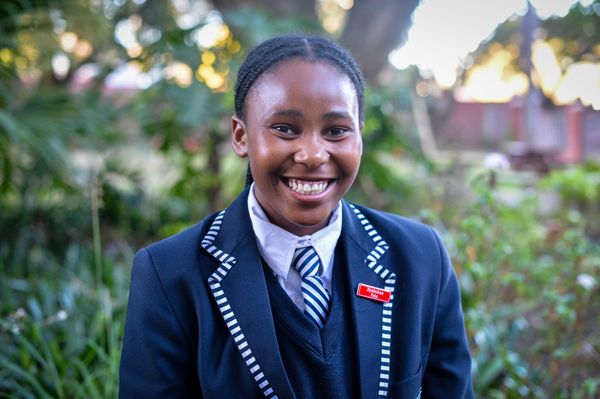
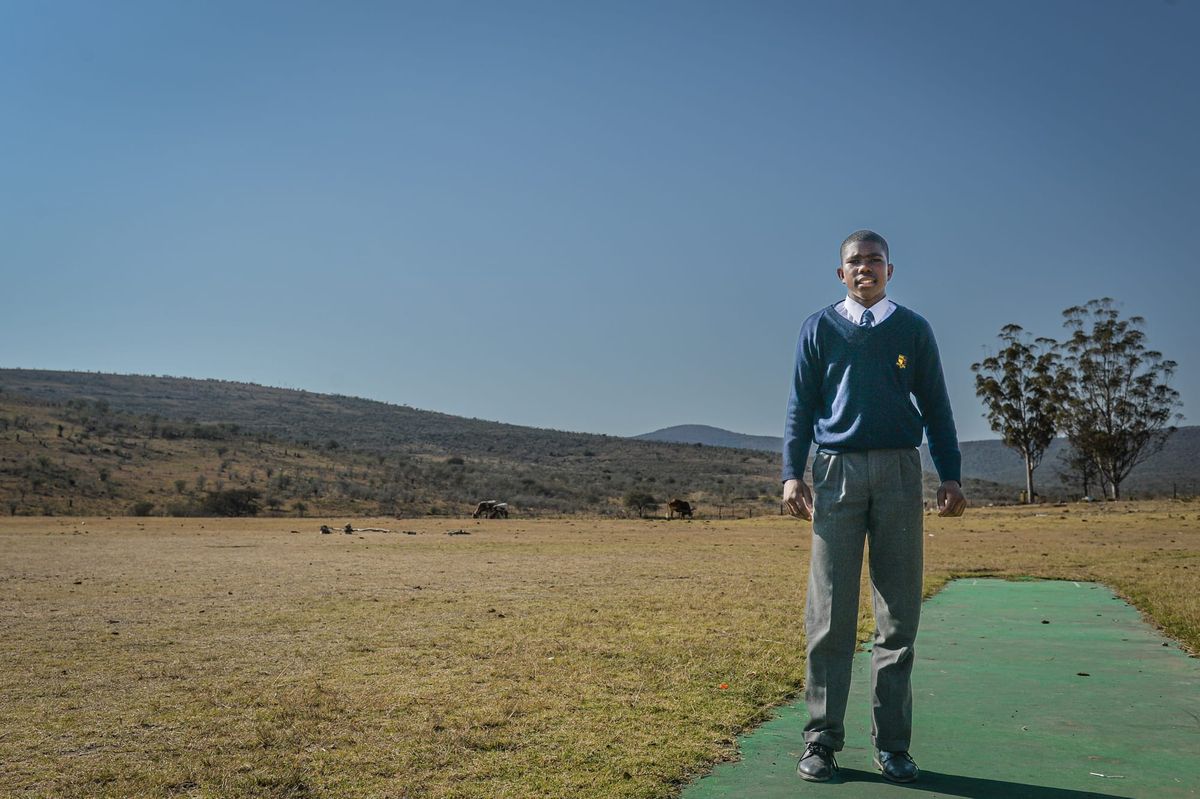
This is not a young man that life can easily knock over, as evidenced when you take his picture (see above). He has had to weather many storms in his brief life. His father passed away when he was young. Themba's mother never really recovered from the death of his father and is often absent. His brother (20) finished high school but has been unable to move on, often finding solace in alcohol. His sister (28) tried to attend university but could not move forward. She now tries to support the entire family through social grants and an entry-level job at a bottle store (liquor store) in distant Fort Beaufort.
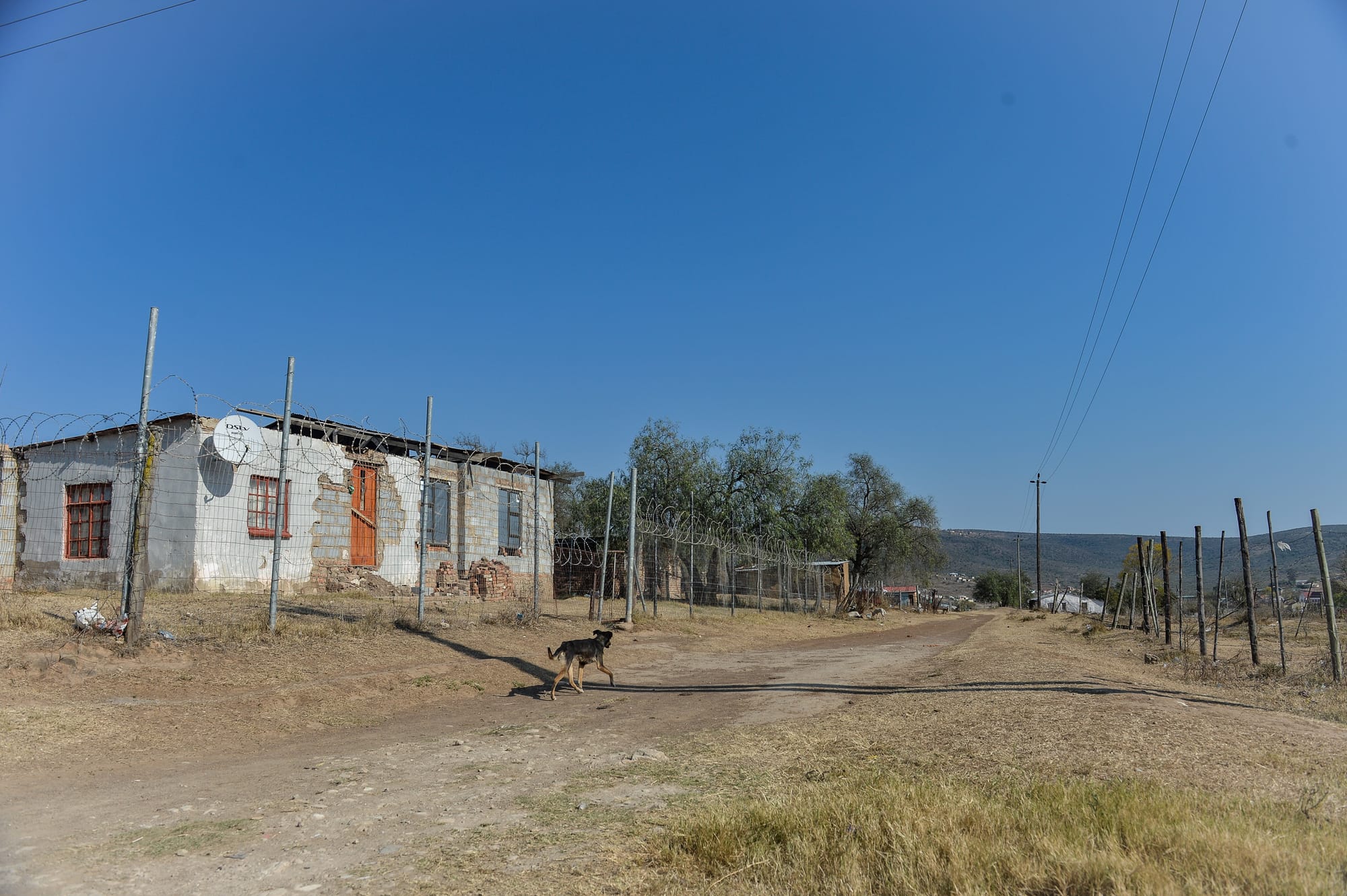
A view down the road in Themba's community
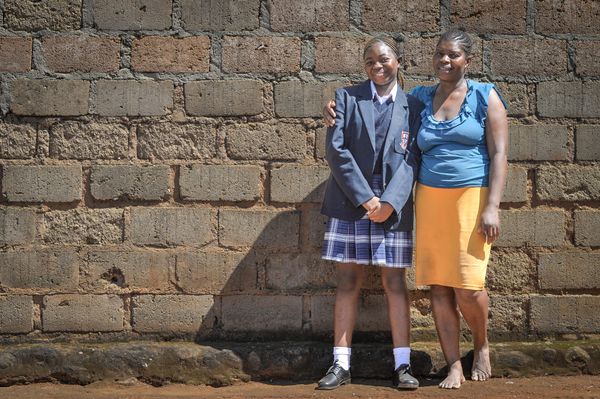
Themba’s community has not benefited much from national reconstruction and development projects. Most homes are informal and built with whatever is at hand. There are no street lights. Water is scarce and only available at communal taps. Themba’s home is exceptionally humble, the one nearly-finished room screened off by sheets leading into a second, unfinished room. Altogether on paper, Themba’s chances of finishing high school are less than 50%, and he has a 54% chance of not moving on to tertiary education or employment.
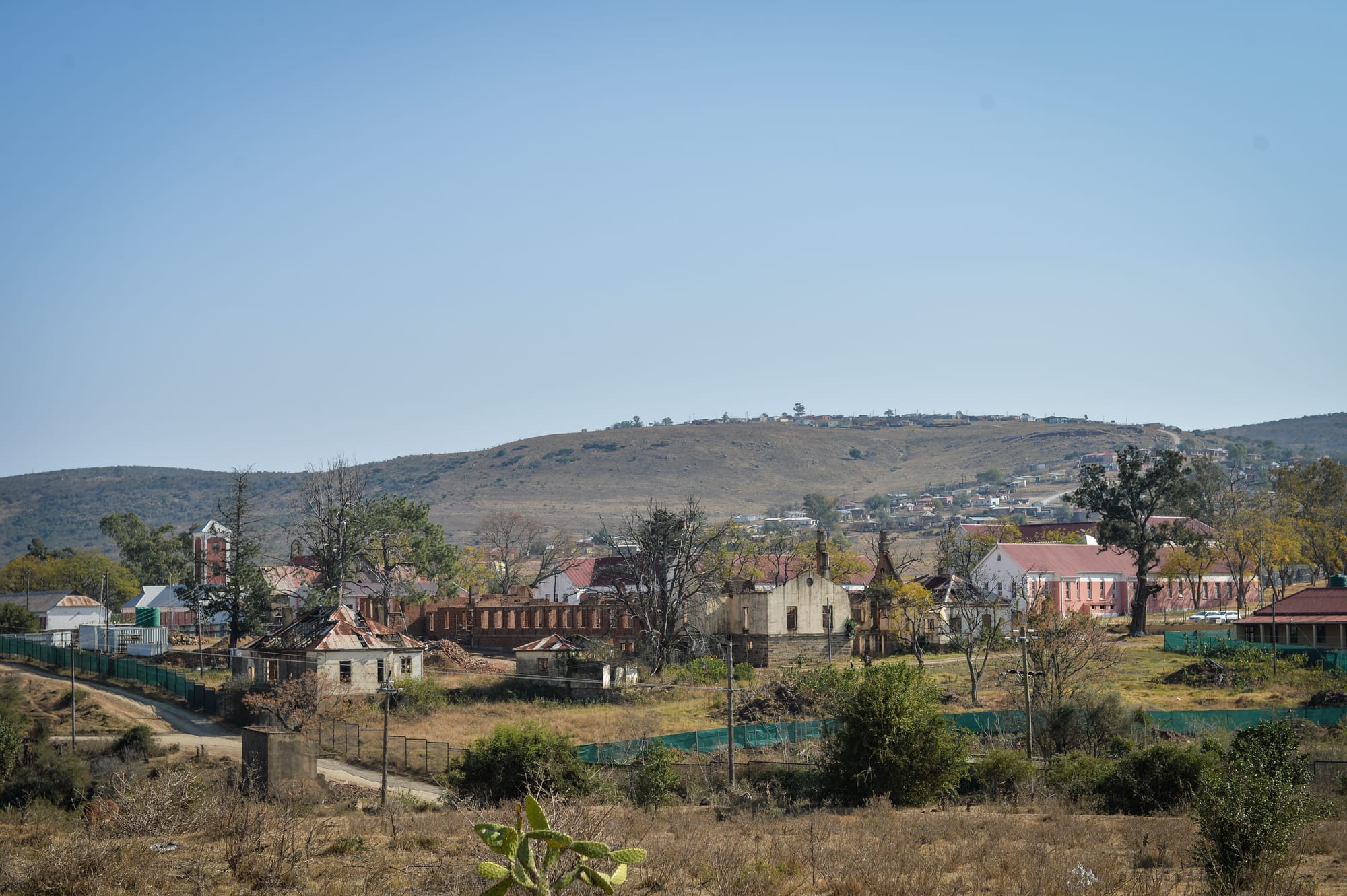
Fortunately, Themba has grown up in the Valley of Improbability. From his front door, the crumbling, roofless ruins of Healdtown School can be seen. At its peak in the 1930s, Healdtown School had over 1000 black, African students hailing from 5 African countries—the largest school for African people in the Southern Hemisphere. Nelson Mandela learned his love of running and boxing here. Govan Mbeki discovered his love of writing. Robert Sobokwe led the school as Head Boy, library book in hand, and is often considered the school’s most brilliant student. These are just some of the many notable figures in South African history who finished school at Healdtown, the sum total of their lives’ work the improbable end of apartheid.
Another improbability can be found at the end of Themba’s street: a cricket oval, the grass dutifully kept short by obliging cows who stand as respectful spectators at the boundary. It’s on this humble pitch that Themba’s unlikely journey began. He quickly demonstrated innate talent that drew the attention of Cricket South Africa which has made substantial investment in youth development in the area. It was on this pitch where Themba was once hit so hard in the head by a ball that he ended up in a distant hospital only to pop back up and keep playing. At age 14, Themba has already made the Under 16 provincial (American state) cricket team, and had two tries at making the national Under 17 team.
Themba’s work on the pitch matched his work in the primary school classroom—a place so crowded he just laughed when asked how many children used to be in his class. This potential opened a door to attend primary school at Graeme College in Makhanda (Grahamstown) where for many years the school, Cricket South Africa and disparate donors did their best to finance his education. As funds dry up, a new door of opportunity is opening for Themba as he becomes a Raise the Children Scholar.
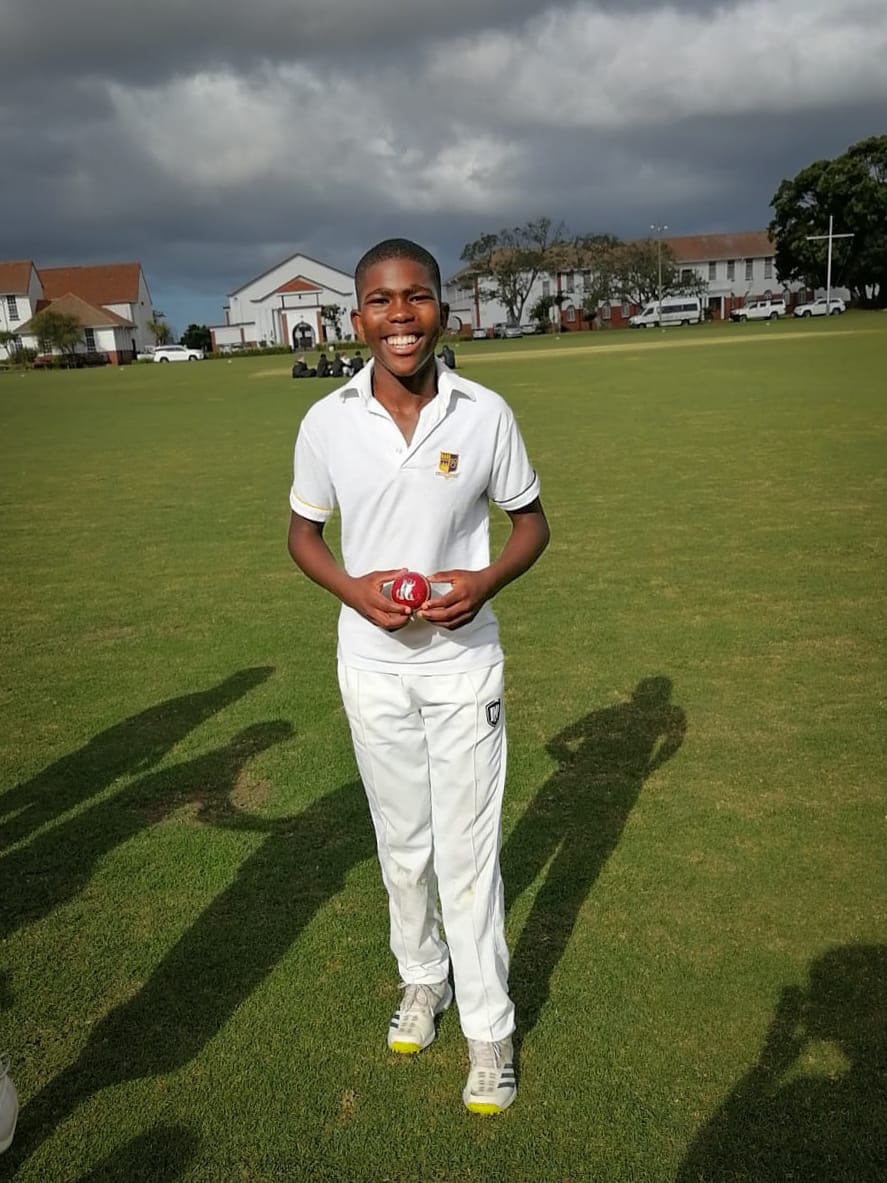
So far, Themba’s life has been an improbable “six” (like a baseball home run), but just like one six will not win a test match, Themba has many more overs (a bit like mini baseball innings) to complete with mentors, coaches and a global network of supporters cheering him on. After he finishes school, if he’s not a professional cricketer, Themba dreams of starting a business to supply affordable cricket equipment to schools and children in under-resourced communities, and coaching children playing cricket in the community where he grew up.
Themba’s journey reminds us of the power of community in raising a child. Without being identified by Cricket South Africa, or having a door of opportunity opened by a school head whose heart is 7 sizes too large, or Raise the Children receiving a bursary application from Themba’s school coach / dorm parent whose love for the boys in his care impossibly exceeds his love for rugby, our chance encounter with Themba would never have taken place. Without a global network of financial support, Raise the Children could not join the collective “family” assisting Themba to attend a quality school, to play cricket at the provincial level, and to provide a platform for him to study further after high school.
Healdtown is being rebuilt, part of a recent initiative to restore historic schools that were instrumental in the education and liberation of South Africa's people. Reconstruction has only just begun. As we left the Valley of Improbability I watched the builders at work and was struck by the symbolism. South Africa has grappled with so many challenges throughout its history. A decade of systematic looting of government finances has led to the crumbling of infrastructure, failed service delivery and hours, daily, without electricity. Despite so many setbacks, there are glimmers of hope as the country recovers and rebuilds. Education remains the key to improbable success, and Themba’s story, repeated a hundred and thousand-fold, can help South Africa realise its extraordinary potential.
*Six: To hit the ball out of the oval (park), like a home run in baseball
** The Scholar's name has been changed to protect his privacy