Pressing Reset With Non-verbal Trauma Therapy
Global research has shown that children who grow up with Adverse Childhood Experiences (ACEs) are twice as likely to die from associated health conditions, and are more likely to be clinically depressed, unemployed, and resort to substance abuse than their peers.
All of our Raise the Children Scholars have lost a parent and had other adverse experiences growing up, including witnessing murder or sexual abuse. In South Africa, cultural norms and vernacular language make traditional talk therapy difficult. Children struggle to report trauma or have words to describe the impact trauma has had on their mental health. Over time their physical health, school performance and human relationships begin to suffer.
What if we could press reset on the human body’s response to trauma and start over?
The team at Zoë-life and a group of Quantum Energy Coaches from around the globe believe it’s possible. They are embarking on a pilot study to examine the effectiveness of alternative trauma therapies with Raise the Children Scholars at Inanda Seminary School.
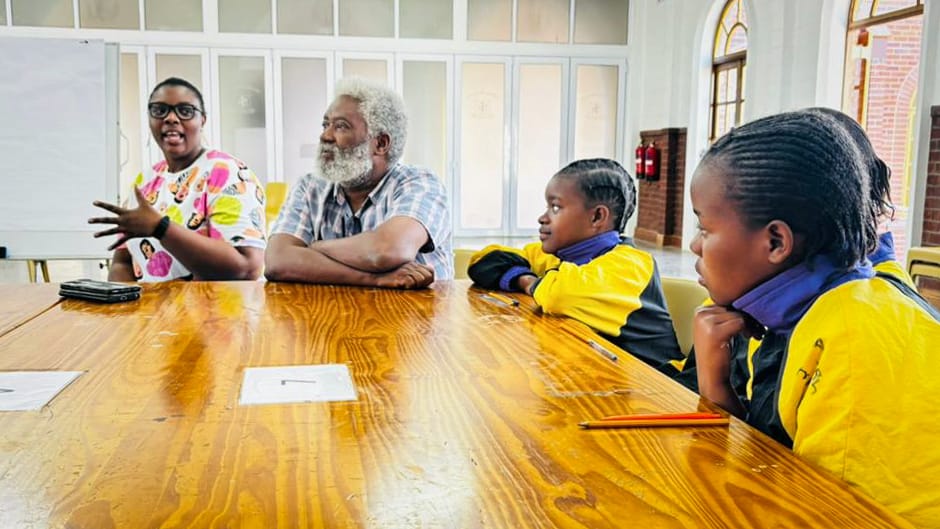
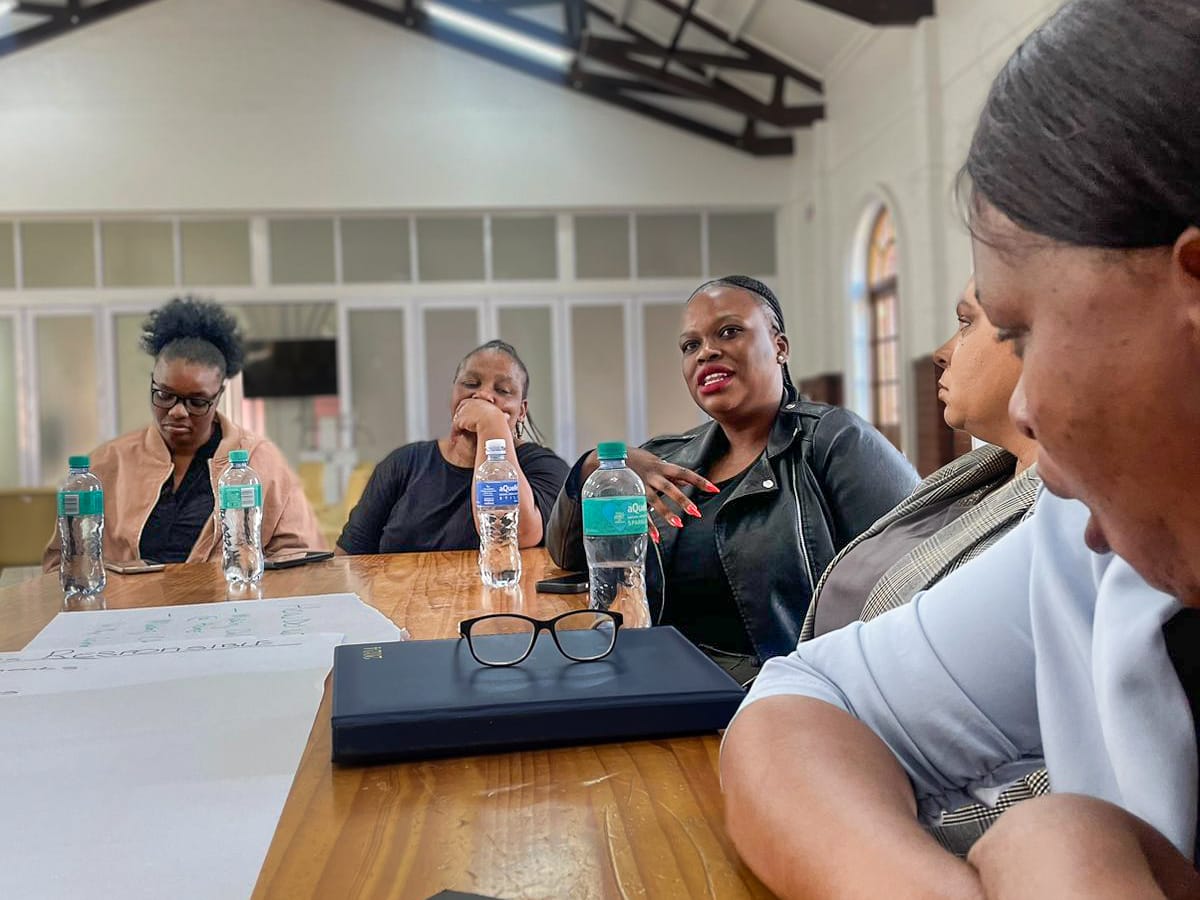
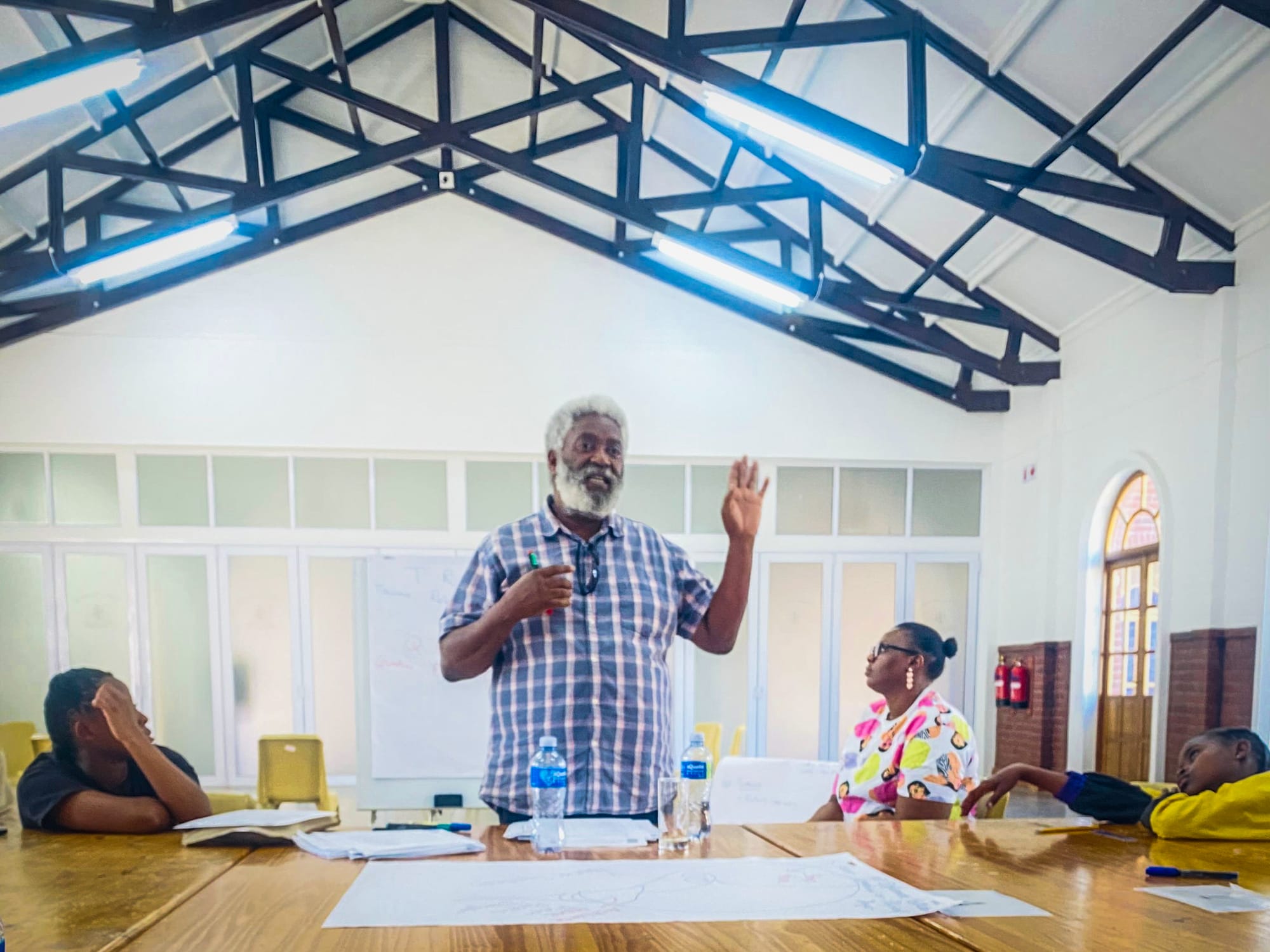
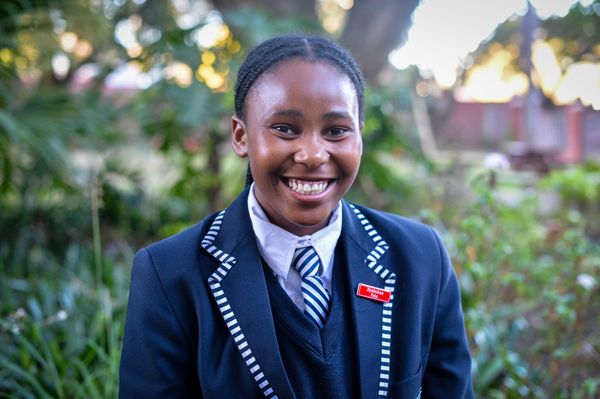
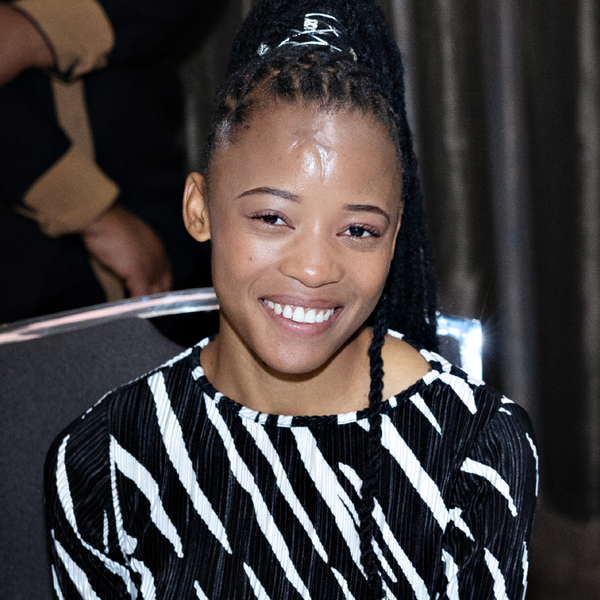
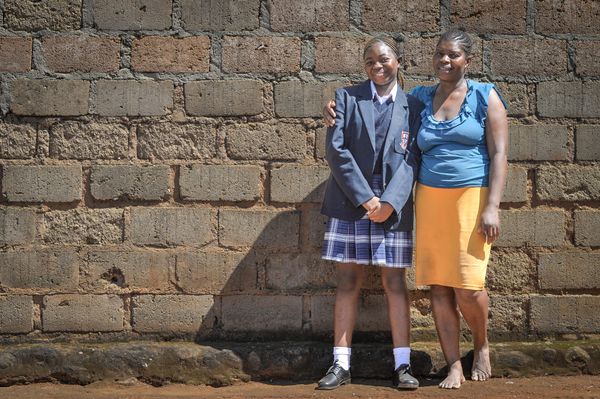
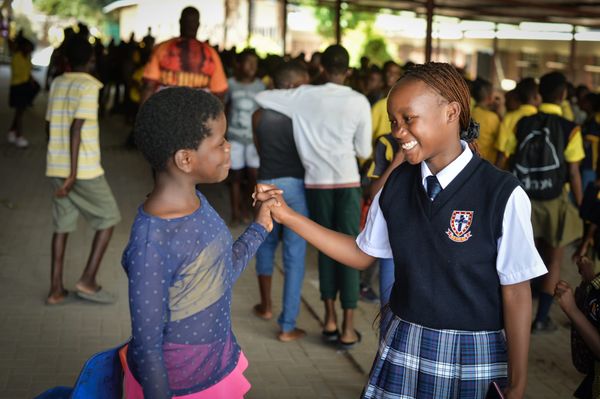
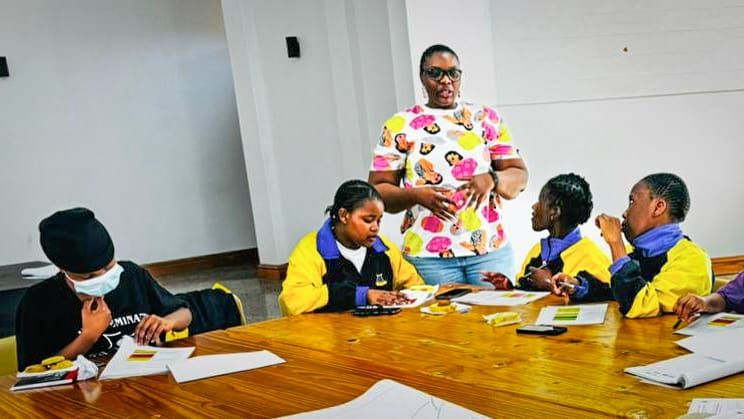
Images from the training session, facilitated by Zoë-life's Monty Thomas
Over the course of 5 days this August, Raise the Children’s psychosocial support team and staff at Inanda Seminary School took part in a workshop led by Zoelife UK that helped them better understand the impact of trauma on the mind and body. Participants were also introduced to Trauma Release Exercises (TRE) and Quantum Energy Coaching (QEC) as alternatives to traditional “talk” therapy. The workshop will be followed by 3 months of TRE and QEC interventions with the Scholars, with a final check-in at year-end to see what impact the interventions have had.
It is hoped that the lessons learned from the study will have a profound impact on the well-being of South African children, moving them from surviving to thriving with effective treatment.
As the study gets underway, some of the participants shared their thoughts:
Monty Thomas (Zoë-life Facilitator): “What a wonderful privilege it has been to work with your Scholars. Your investment in these lives are profound. There is a great need and you are extraordinarily brave to have charged onto this battlefield.”
Sharon Sharinda (Psychologist, Raise the Children): “It’s a big eye opener in terms of how adverse childhood experiences affect people’s functioning as they grow. The focus has been mainly around the physiology of trauma and the impact of it on people’s behaviour. So I’ve learnt a lot about why the kids react the way they do because of the kinds of backgrounds they come from and the things they have seen and how that has put them on survival mode.”
RTC Scholar: “Prior to the session I had a meeting with Monty. He explained everything in terms of fixing myself mentally and physically. He said we’re always focussing on the fear that is occurring around. This means we don’t use our frontal cortex in terms of bettering ourselves and focusing on our dreams. This made me feel like with whatever I’m going through, everything is going to be okay.”